Email:info@goodfuturesolar.com
Tel: +86-371-63966669
Email:info@goodfuturesolar.com
Tel: +86-371-63966669
The demand for high-efficiency solar tracker systems continues to rise as utility-scale PV plants seek ways to increase energy output and reduce LCOE. Modern solar tracker controllers—especially advanced PV tracker controllers (TCU)—play a central role in enabling smart tracking, predictive control, and intelligent solar plant automation.
As global renewable energy projects scale, traditional tracking solutions are no longer sufficient. Developers, EPCs, and asset owners increasingly require intelligent tracking systems that integrate data, sensors, and cloud algorithms to deliver higher yield and operational stability.
A single-axis solar tracker can increase energy production by 15–30% compared to fixed-tilt structures. However, the real performance breakthrough comes when the solar tracker is paired with a smart controller equipped with advanced algorithms.
Our TCU introduces intelligent control through:
This makes the controller the intelligent command center of any solar tracking system.
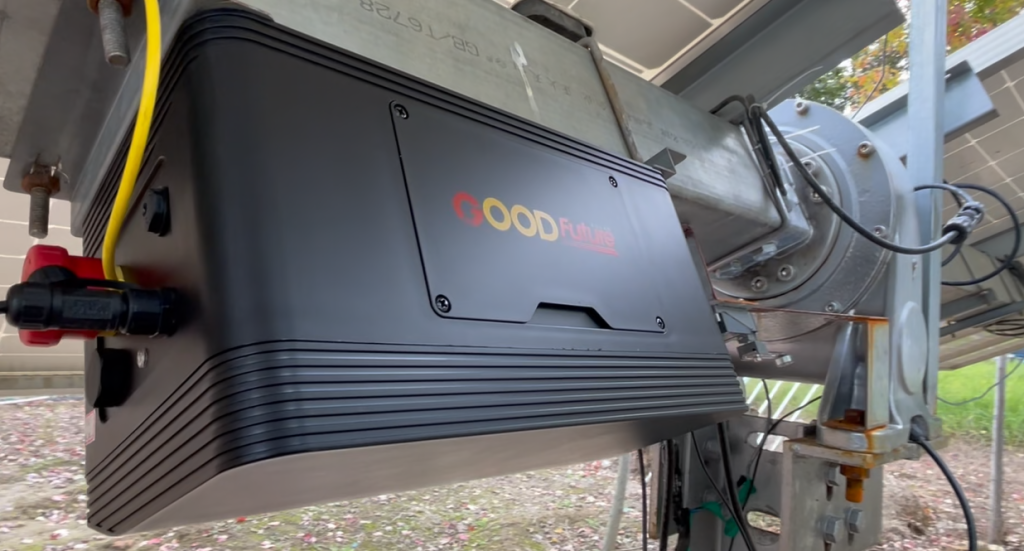
Today’s utility-scale PV power plants rely on seamless collaboration between tracker hardware, sensors, SCADA systems, and cloud platforms. A modern solar tracker controller enables this ecosystem to work together for maximum efficiency.
By integrating weather stations and predictive environmental algorithms, the controller can adjust tracking modes intelligently. This is essential for solar farms in desert, high-wind, snow-prone, or cloudy regions.
These features enhance plant reliability through predictive solar tracking instead of reactive adjustments.
Advanced TCUs can communicate with string inverters or central inverters via Modbus/RS485, enabling:
This leads to inverter–tracker synergy, helping stabilize production curves and reduce mismatch losses.
The controller gathers key operational data essential for SCADA or cloud-based O&M platforms:
Using AI analytics, operators benefit from:
This transforms traditional solar farm maintenance into fully smart O&M.
Upgrading to an intelligent solar tracker controller delivers significant value for utility-scale PV developers and EPCs.
Advanced tracking logic and predictive weather response
→ Additional 2–7% annual energy gain over standard tracking.
Automatic stow modes and fault prevention algorithms ensure >99% uptime.
Remote diagnostics and cloud monitoring reduce field maintenance
→ Lower long-term operational expenditure (OPEX).
More stable generation, fewer structural failures, and longer component lifespan
→ Significant LCOE reduction and improved ROI.
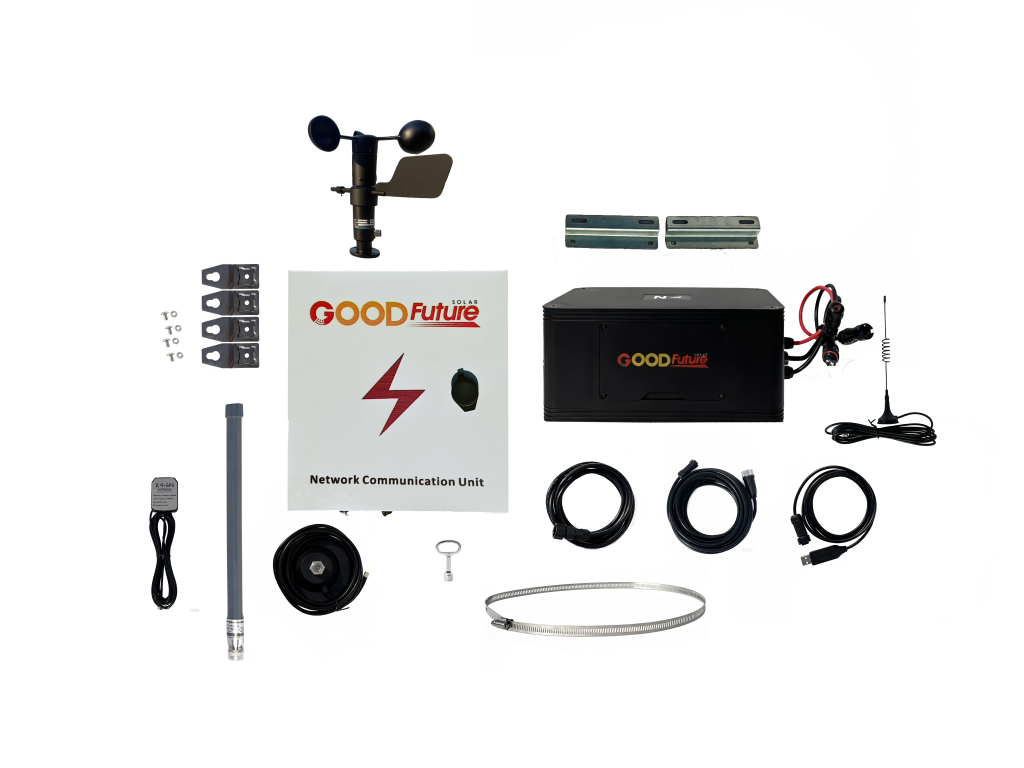
Intelligent tracking controllers are reshaping the future of solar power plants. By integrating real-time data, predictive algorithms, and multi-system collaboration, they turn a traditional PV farm into an automated, self-optimizing energy system.
The future of solar is intelligent.
And the tracker controller is the core that makes it possible.
SEO Keywords: PV tracker controller, solar tracker controller, single-axis solar tracker, backtracking algorithm, utility-scale solar, solar tracking solutions, TCU NCU, smart PV plant, tracker components, solar tracking system.
This page is optimized for users searching for: “What is a PV tracker controller?”, “How do solar tracker controllers work?”, “Best components for single-axis trackers”, “Solar tracking solutions for utility-scale PV”.