Email:info@goodfuturesolar.com
Tel: +86-371-63966669
Email:info@goodfuturesolar.com
Tel: +86-371-63966669
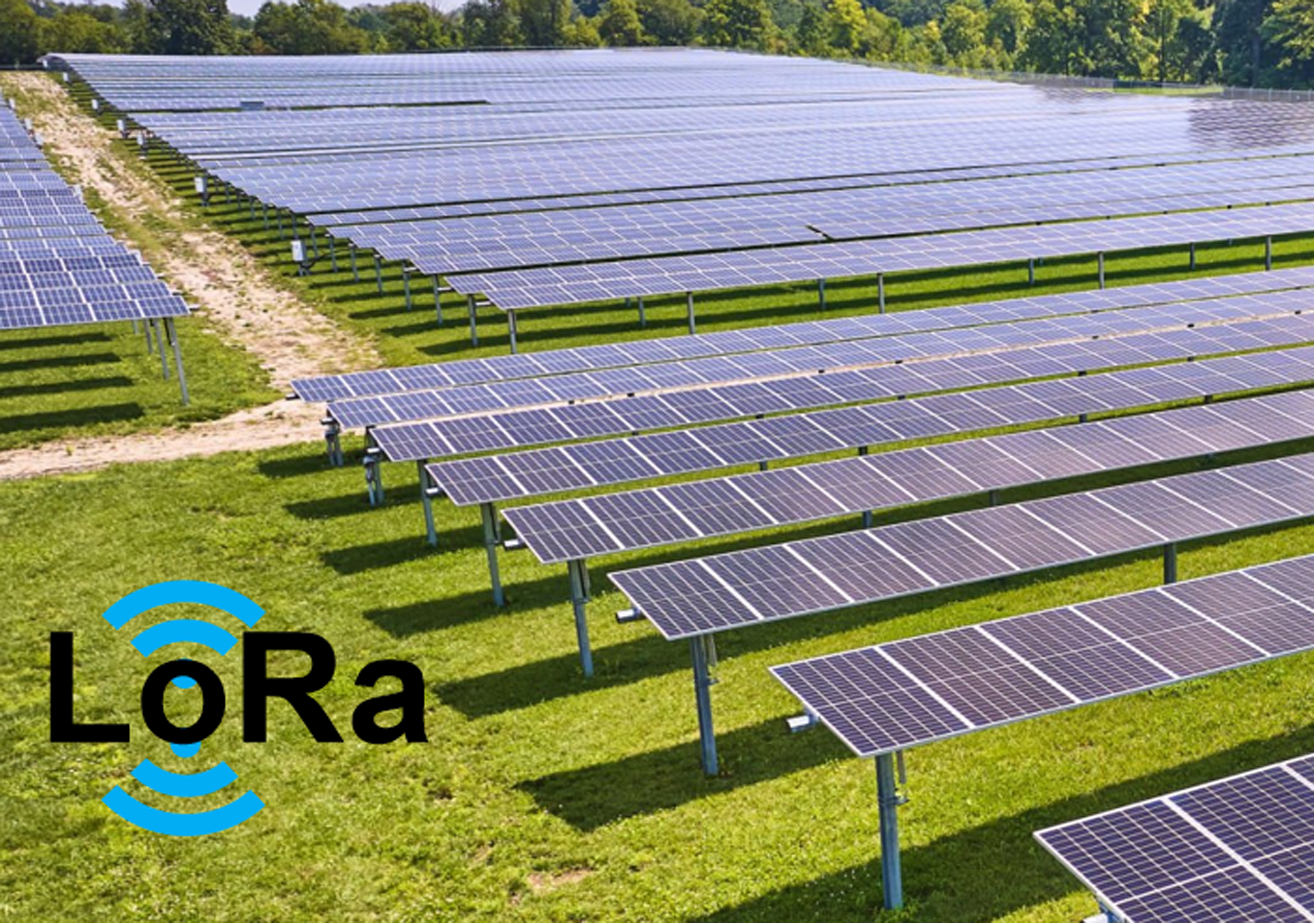
In the world of wireless communication, Zigbee and LoRa are two prominent technologies that play key roles in IoT (Internet of Things) applications. Zigbee operates on a short-range, high-frequency network, designed for low-power consumption and high-speed communication within a small range. It’s perfect for applications that require fast, local exchanges of data, such as home automation or industrial control systems in a confined area. On the other hand, LoRa (Long Range) is a low-power, wide-area network (LPWAN) that excels in providing long-range communication, capable of covering vast distances. It’s designed for devices that are spread out over large areas, like in agricultural monitoring or large-scale infrastructure projects. The Strengths of Zigbee and LoRa Both Zigbee and LoRa have their unique advantages depending on the application. Zigbee shines in environments where the need for rapid data exchange within a local, high-density network is crucial. Its mesh networking capability also makes it resilient to communication failures, as each node in the network can relay messages. LoRa, however, is unrivaled in range, capable of covering up to 15 km in urban environments and over 30 km in rural areas. This makes LoRa the ideal choice for outdoor, wide-area applications where devices are spread...

In celebration of the upcoming Chinese New Year, GF New Energy will observe a holiday break from January 26th (Sunday) to February 2nd (Sunday). Our office will be closed during this period. We will resume normal operations on February 3rd (Monday). We appreciate all your understanding and support for the past 2024. Should you have any urgent inquiries or require assistance, please feel free to contact us after the holiday break. Wishing you a prosperous and joyful Chinese New Year! GF New Energy Team
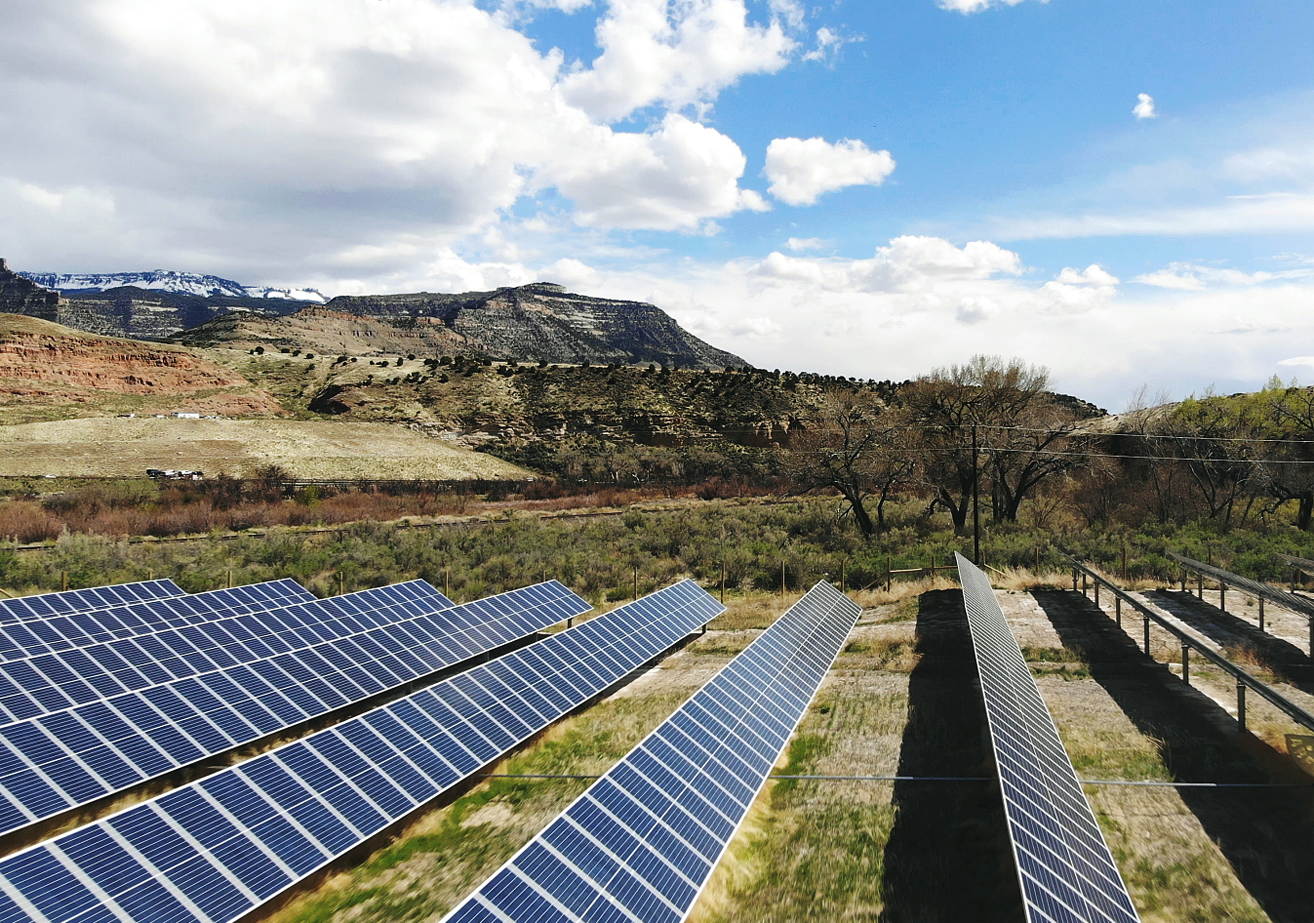
As the solar energy industry advances rapidly, the ability to track the sun’s position has become a key factor in optimizing the efficiency of photovoltaic (PV) power plants. Unlike fixed-tilt PV systems, solar trackers can dynamically adjust the angle of solar panels to capture maximum sunlight throughout the day. However, in real-world applications, especially on irregular terrains, avoiding shading between panels remains a major challenge. To address this, Good Future has developed a revolutionary 3D backtracking algorithm, offering a transformative leap in solar tracking technology. What is 3D Backtracking? In simple terms, 3D backtracking is an algorithm that uses mathematical modeling and real-time calculations to prevent shading between solar panels. While traditional backtracking methods typically consider adjustments in a two-dimensional plane, 3D backtracking takes terrain topography into account by performing precise three-dimensional polygonal analyses. This ensures optimal panel alignment and maximized energy output. This technology is particularly effective in the following scenarios: Challenging terrains: Traditional methods often struggle to balance light conditions on complex landscapes. The 3D algorithm analyzes topographical data to achieve superior tracking performance even on uneven ground. High-density PV installations: When panels are spaced closely, the algorithm calculates the optimal tilt for each panel to prevent mutual shading. Key Advantages...
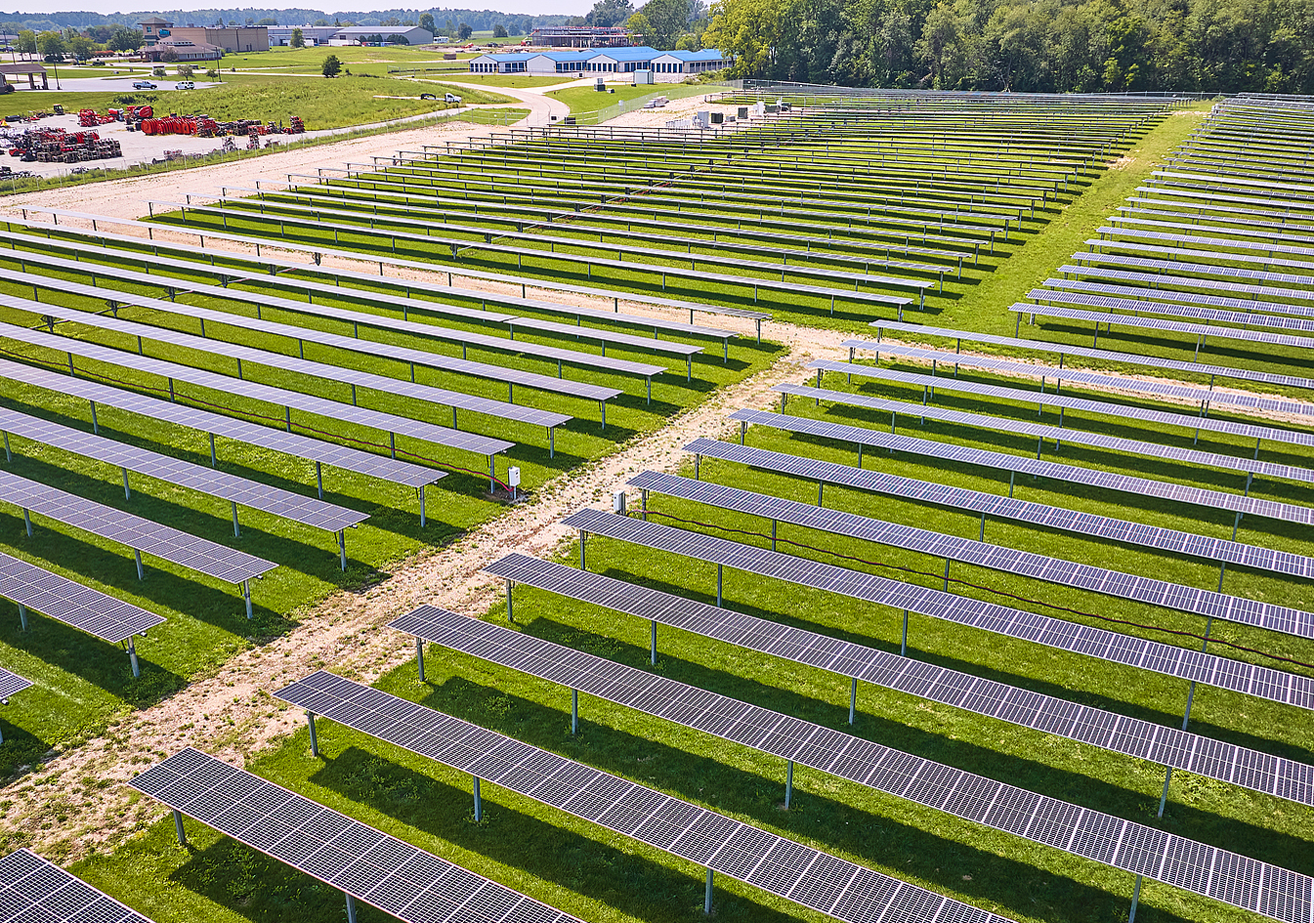
Solar tracking systems are essential for maximizing the efficiency of photovoltaic (PV) panels. A critical component in these systems is the bearing, which facilitates smooth and precise movement of the solar tracking bracket. Let’s dive into the key features, types, and benefits of bearings used in solar trackers, with a focus on the advanced solutions offered by Good Future. What is a Bearing in Solar Tracker Systems? A bearing is a mechanical component that supports and reduces friction in the rotational or linear movement of the solar tracker’s axis. In solar tracking systems, bearings enable the brackets to adjust the angle of solar panels throughout the day, ensuring optimal alignment with the sun. Types of Bearings Used in Solar Trackers Plain Bearings Made from self-lubricating materials, these bearings require minimal maintenance. They are lightweight and suitable for systems where cost-effectiveness is a priority. Roller Bearings Composed of rolling elements like cylindrical or spherical rollers, these bearings are ideal for applications requiring high load capacity. Customized Bearings Designed to meet specific requirements, customized bearings often feature enhanced durability and resistance to environmental factors. Features of Good Future Bearings Good Future offers state-of-the-art bearings for solar tracker brackets. These bearings are specifically engineered...
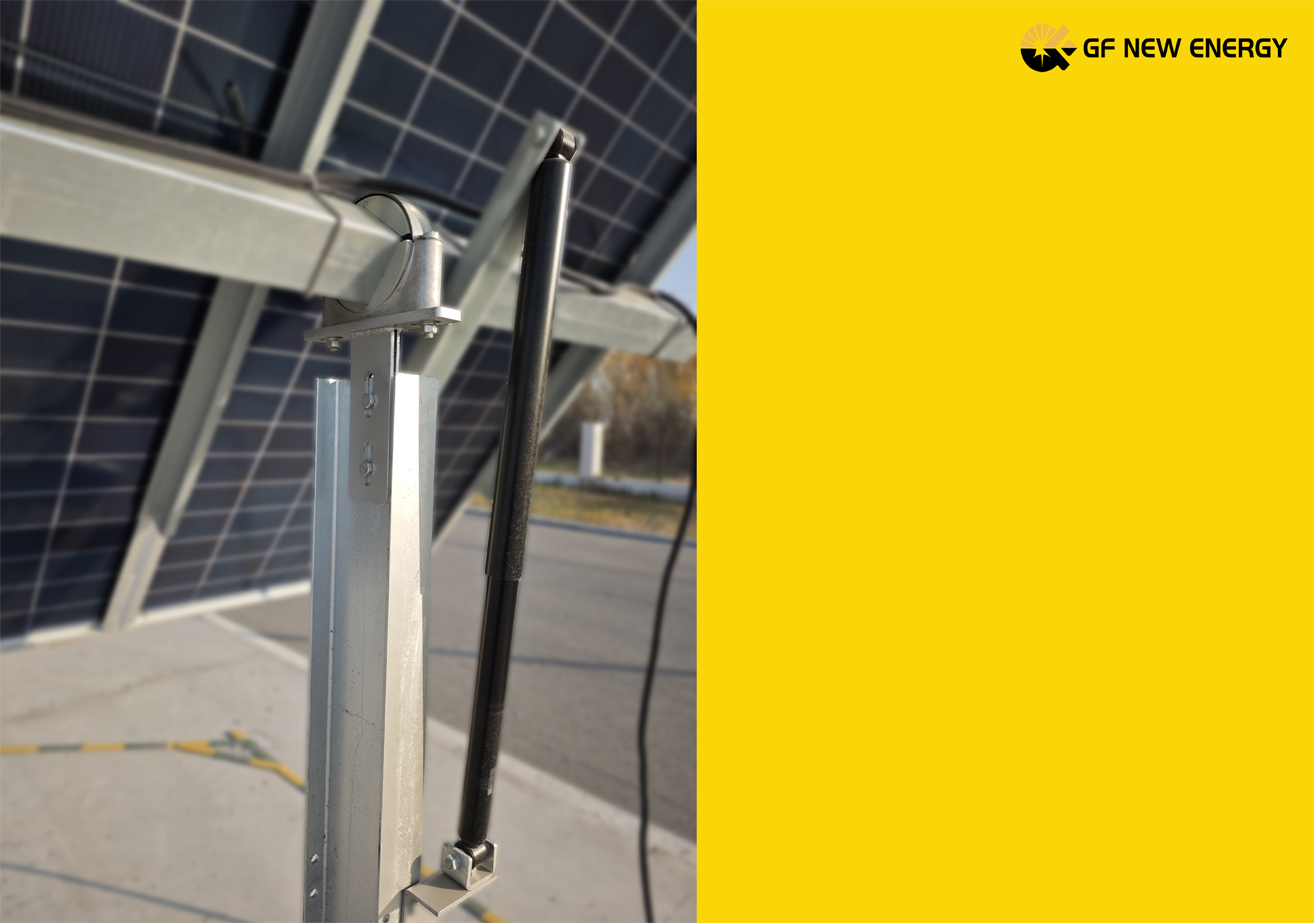
With the increasing global demand for renewable energy, solar power, as a clean and sustainable energy source, is receiving more and more attention. To improve the efficiency and stability of solar power generation, solar tracking systems have emerged. Solar trackers dynamically adjust the position of photovoltaic panels to maintain the optimal angle, maximizing solar light reception. However, solar tracking systems face challenges during operation, such as strong winds or vibrations, and this is where solar dampers play a crucial role. What is a Solar Damper? A solar damper is a mechanical device used in solar tracking systems, primarily designed to absorb and reduce excessive motion or vibrations caused by external forces like wind, or internal operations. By providing proper damping, solar dampers prevent the tracking system from swinging excessively, enhancing the stability and lifespan of the system. Dampers typically consist of two main parts: the gas damping component and the hydraulic damping component. These components can be customized based on the design and operational needs of the solar tracking system, ensuring smooth operation in various environmental conditions. How Do Solar Dampers Work? The basic principle of a solar damper is to use damping forces to absorb vibrations or excessive movements generated by external...
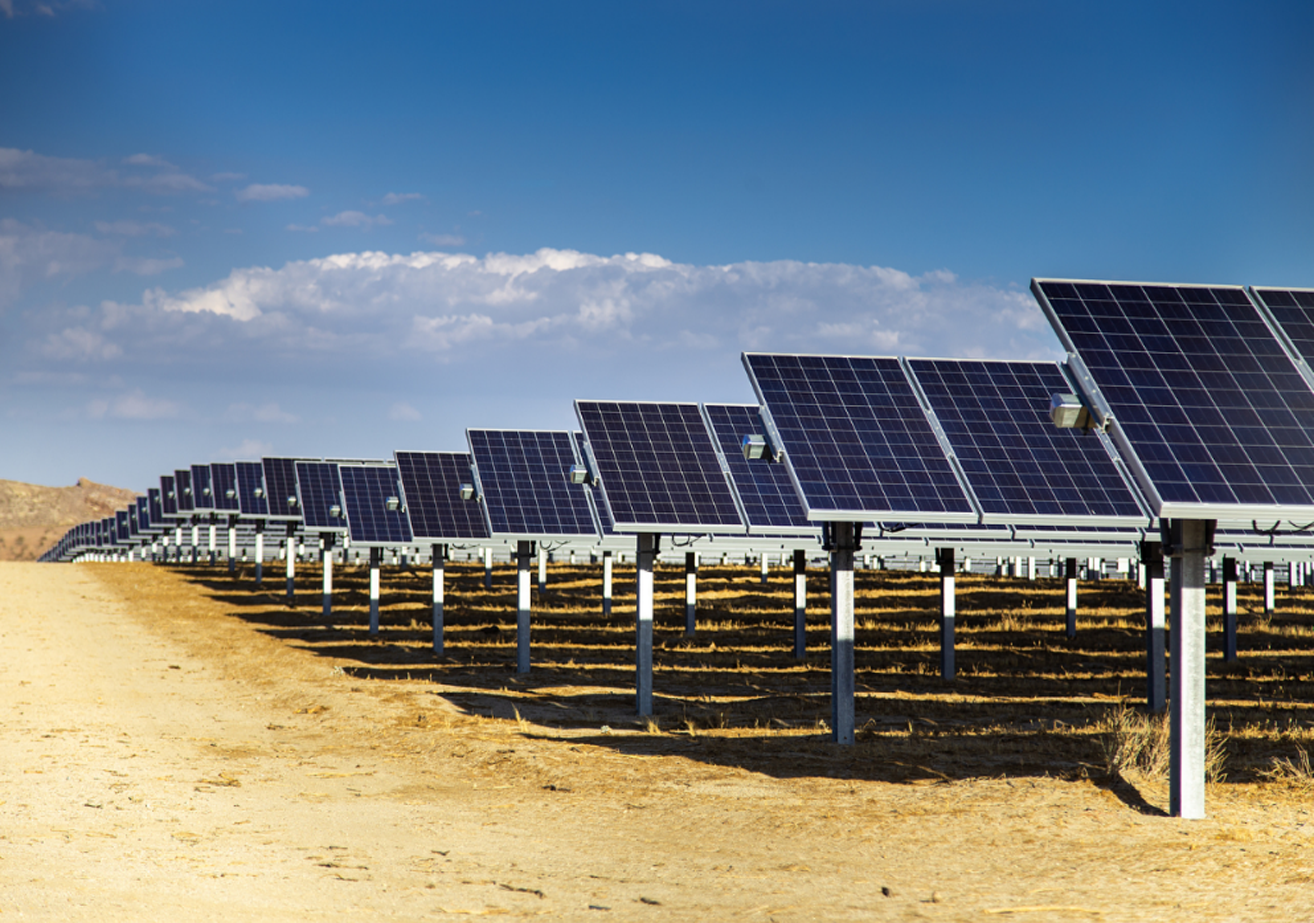
In traditional solar power systems, sunlight is the primary energy source for photovoltaic (PV) panels. However, cloudy weather can significantly reduce sunlight exposure or block it entirely, posing a challenge for solar power generation. To address this, many modern single-axis solar tracker systems are equipped with intelligent solar tracker controllers that can optimize the angle of PV panels under various weather conditions, especially in cloudy environments, to maximize energy output. These advanced systems help ensure that solar energy is captured more efficiently, even when the sun is obscured by clouds. 1. Basic Principle of Solar Tracking Systems The main function of a solar tracking system is to adjust the angle of the photovoltaic panels in real-time based on the position of the sun, ensuring that the panels always face the optimal angle to capture sunlight. This system can significantly improve energy collection efficiency, particularly when sunlight is strong. Traditional PV systems usually have fixed panel angles, whereas solar tracking systems can collect 20% to 30% more energy by adjusting the angle of the panels. 2. Impact of Cloudy Weather on Solar Power Generation On cloudy days, the sun’s radiation is weakened as clouds block the sunlight. However, sunlight is not entirely blocked;...