Email:info@goodfuturesolar.com
Tel: +86-371-63966669
Email:info@goodfuturesolar.com
Tel: +86-371-63966669
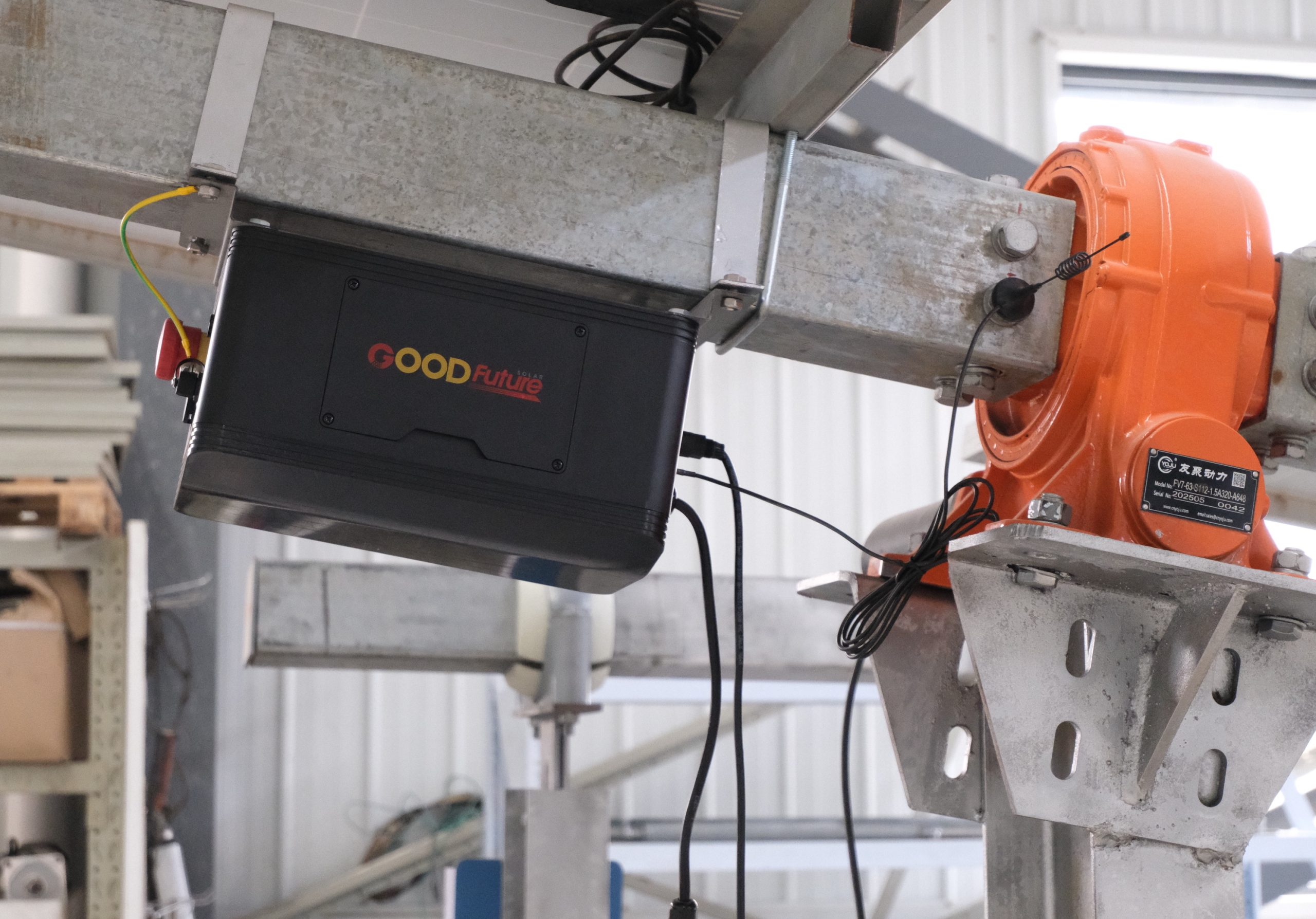
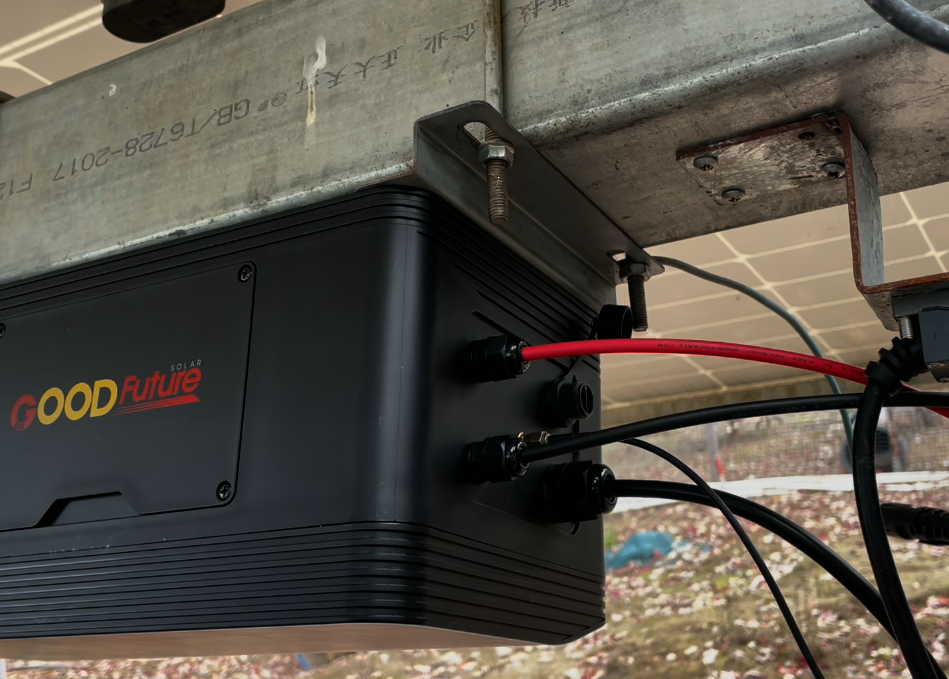
The solar energy sector of single-axis solar trackers faces increasing challenges from extreme weather phenomena. To thrive in these conditions, products and service ecosystems must be resilient and adaptive. At Good Future, we are committed to delivering the best solutions for our customers by tailoring our products to meet the unique geographical and climatic demands of their projects. Our Solar Tracker Controller Unit (TCU) has been designed to withstand harsh environments, ensuring optimal performance even in extreme temperatures. Low Temperatures, High Durability Since the introduction of our first TCU, Good Future has continually expanded and refined our offerings to meet the growing needs of the solar market. Our latest innovation, the Self-Powered TCU, is specifically designed for low-temperature applications, capable of functioning effectively at temperatures as low as -30°C (-22°F). This robustness allows our customers to deploy solar technology in even the most challenging climates. Continuous Improvement At Good Future, innovation is a cornerstone of our philosophy. We actively monitor tracker movements to optimize battery life, manage deep discharges, and ensure controlled battery charging. Our TCU is equipped with a fail-safe feature, maintaining a minimum charge to allow the system to adopt a defensive position when necessary. Our commitment to extending...
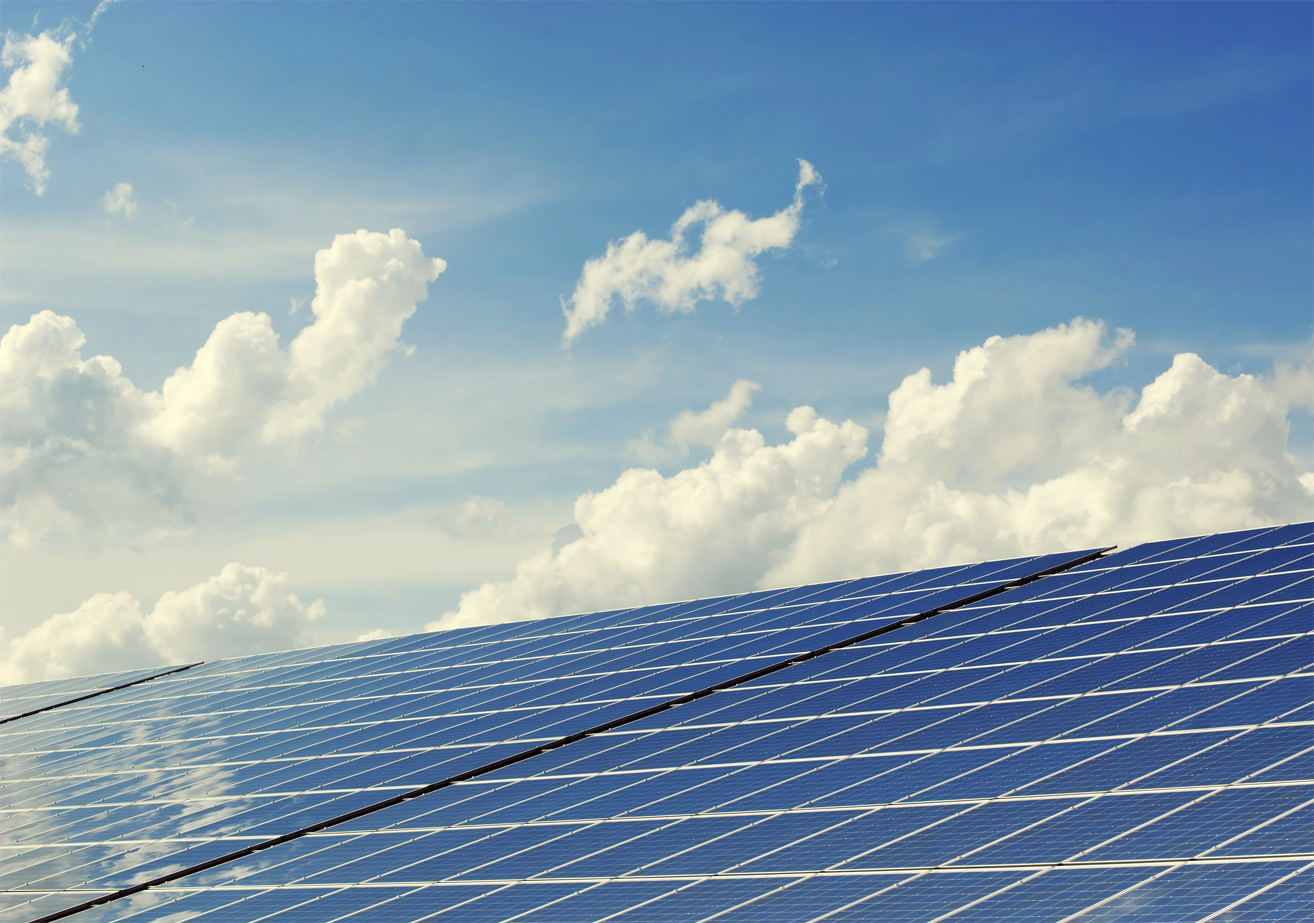
The Tracker Controller Unit (TCU) is crucial to a solar tracker controller because it serves as the central intelligence that governs the system’s functionality and optimizes the performance of the solar panels. Here are the key reasons why the TCU is important: 1. Precise Solar Tracking The TCU ensures that solar panels are always aligned at the optimal angle to capture maximum sunlight. By using sensors and advanced algorithms, the TCU adjusts the panels’ position throughout the day to follow the sun’s movement, enhancing the efficiency of the solar power system. With precise tracking, the TCU can increase the energy output of a solar farm by 20-30% compared to fixed systems. 2. Real-time Monitoring and Control TCUs provide real-time data monitoring, which allows operators to track system performance, identify issues, and make adjustments remotely. This is particularly valuable in large solar installations, where manual supervision is impractical. The ability to monitor and control the system in real-time ensures that any malfunctions or inefficiencies are quickly addressed, maximizing energy production and reducing downtime. 3. Backtracking Capabilities During early morning and late afternoon, solar panels might cast shadows on one another, reducing efficiency. The TCU’s backtracking algorithmhelps the solar tracker adjust the tilt of the...
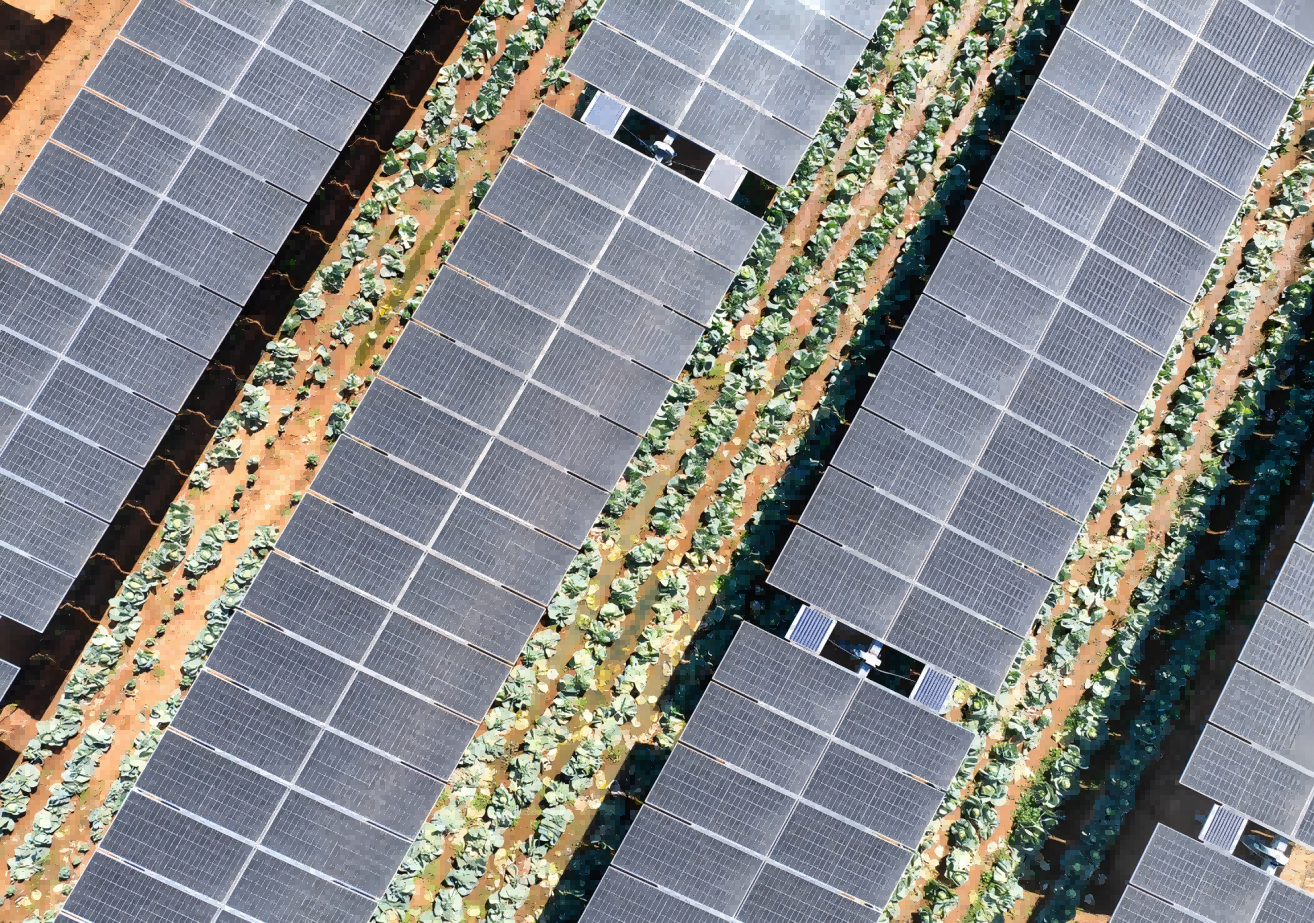
In modern agriculture, optimizing water resource usage is key to increasing crop yield and promoting sustainability. The Good Future Single Axis Solar Tracker Controller is specifically designed for solar-powered irrigation systems, offering outstanding performance to enhance smart and efficient agricultural production. 1. Precision Tracking Our controller features exceptional tracking precision, ensuring solar panels are always oriented toward the sun to capture maximum sunlight. This capability significantly boosts the energy efficiency of the irrigation system, providing ample water at critical times for crops. 2. Real-time Remote Monitoring and Control With an advanced cloud platform, users can achieve real-time remote monitoring and control, staying updated on the operation status of the solar irrigation system. Adjustments can be made based on weather changes and soil needs, greatly enhancing convenience and flexibility. 3. Advanced Astronomical Algorithm to Ensure No Shadowing During Backtracking The Good Future controller employs an advanced astronomical algorithm to effectively prevent shadowing during backtracking. This intelligent design ensures stable system operation and avoids energy loss due to shading, maintaining high efficiency for the irrigation system. 4. Durability Our controller is made from high-quality materials and advanced manufacturing processes, capable of withstanding various harsh weather conditions. It guarantees long-term stable operation while...
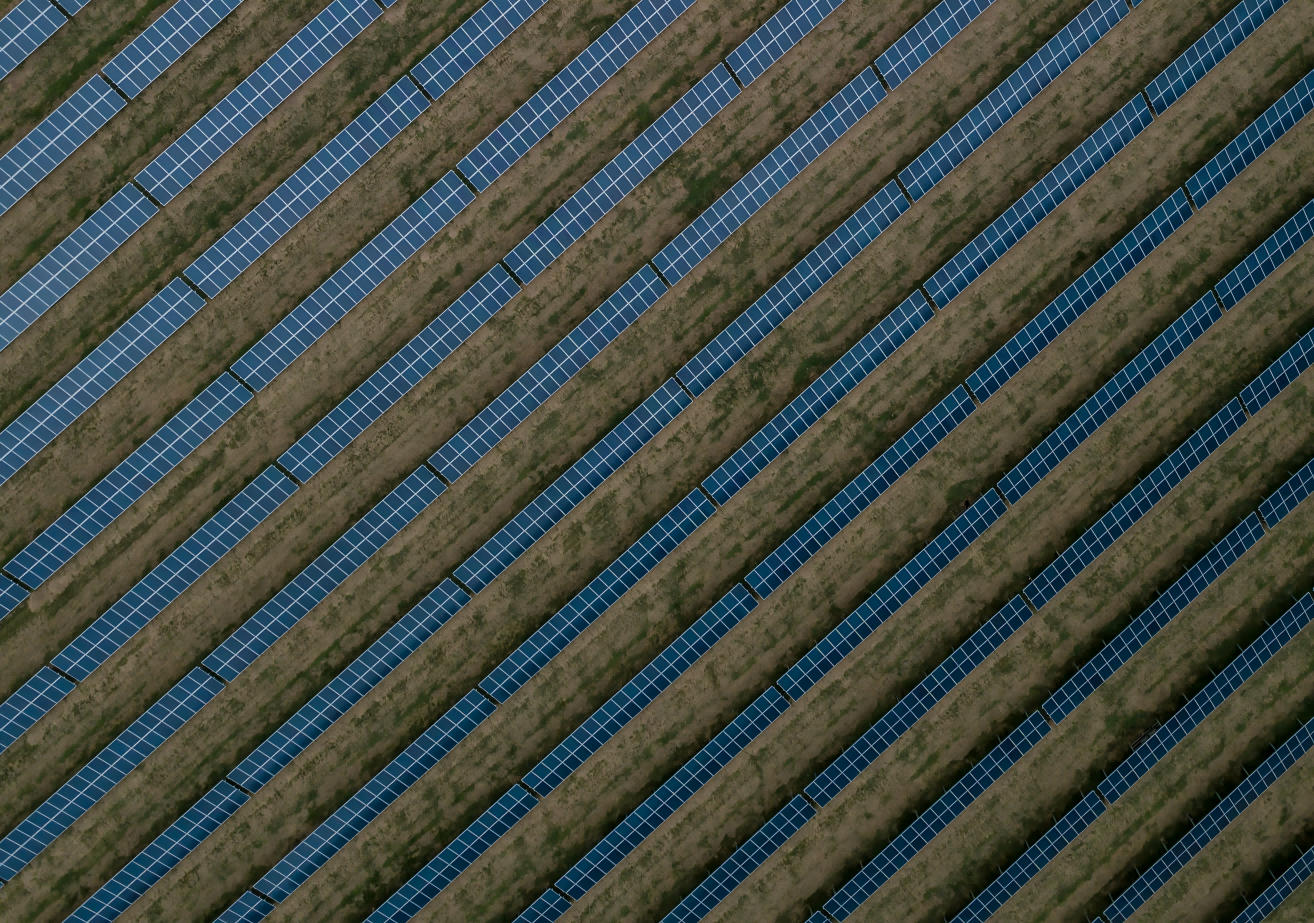
The Network Communication Unit (NCU) plays a critical role in managing and monitoring the Tracking Control Unit (TCU) in solar tracking systems. Here’s how it achieves effective control and oversight: 1. Real-Time Data Transmission The NCU enables real-time communication between the TCU and remote monitoring systems. It collects data from the TCU, such as: Solar panel angles and positions Energy output and performance metrics Battery status and health indicators This data is transmitted over a network, allowing operators to access current system status from anywhere. 2. Remote Control Capabilities Through the NCU, operators can send commands to the TCU to adjust panel positions or modify tracking algorithms based on changing conditions. This remote control capability allows for: Quick adjustments in response to environmental changes Efficient troubleshooting by enabling operators to implement solutions without physical presence 3. Integration with Cloud Platforms The NCU often integrates with cloud-based platforms for enhanced monitoring and control. Key features include: Data storage: Historical data can be stored and analyzed for performance trends. Alerts and notifications: The system can send alerts for maintenance needs or performance anomalies, helping prevent issues before they escalate. User-friendly dashboards: Operators can visualize system performance and make informed decisions quickly. 4. Protocol Compatibility The NCU is designed to communicate using various standard protocols (like...
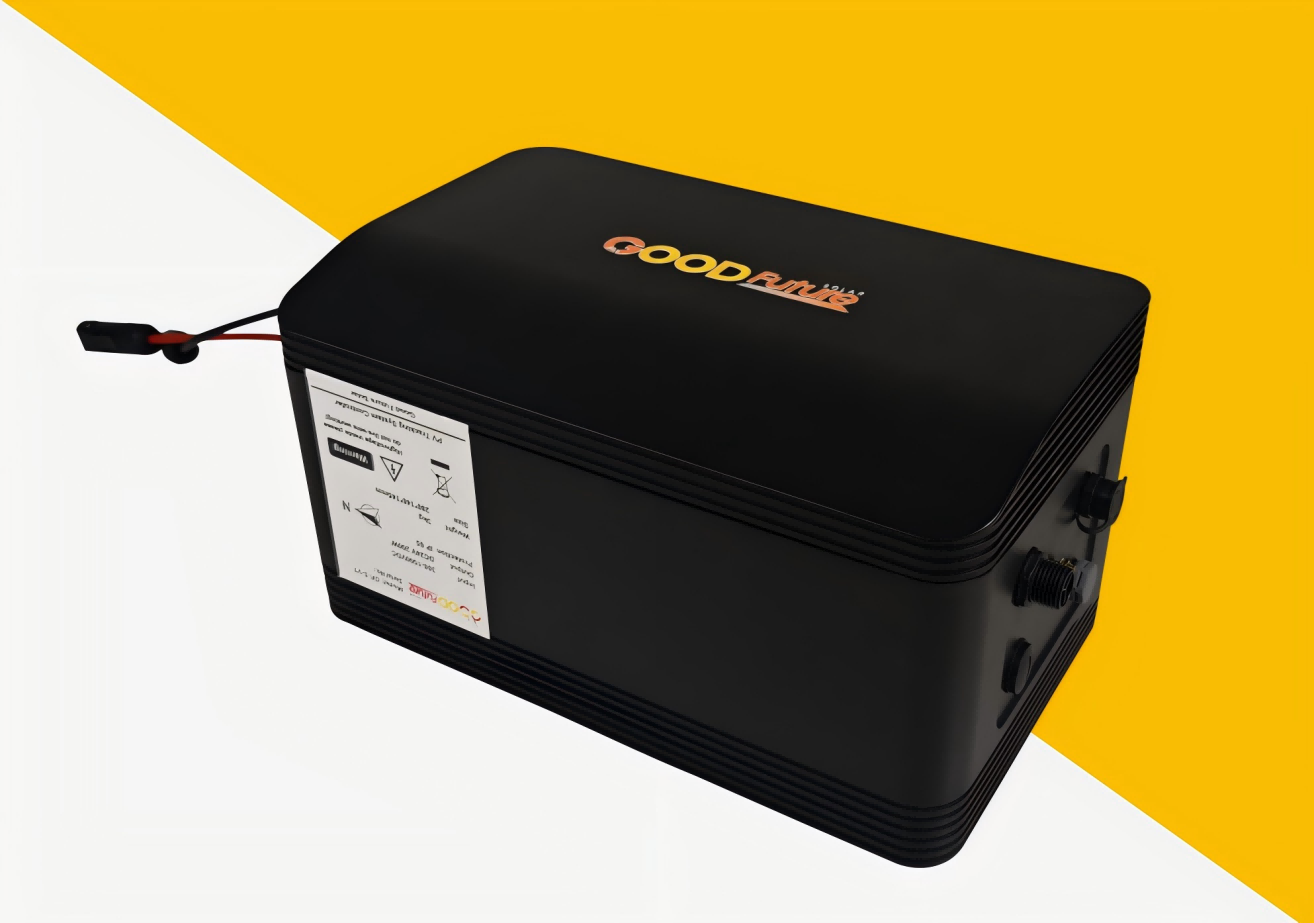
As solar power technology on solar tracker controller continues to evolve, global Solar Tracker Installations to Reach 752GW between 2024 & 2030,achieving higher energy efficiency has become the industry’s core focus. To meet this demand, we introduce the Good Future String-powered TCU—a solar tracking controller that integrates cutting-edge technology, optimized tracking algorithms, and intelligent management functions. This product is designed to provide exceptional performance and increased energy yield for solar power plants. Innovative Design: Efficiency and Durability The Good Future String-powered TCU is powered by lithium batteries and features a unique battery compartment design, allowing for easy replacement when the battery reaches the end of its lifespan. This design not only extends the overall lifespan of the TCU but also reduces maintenance costs, ensuring long-term, stable operation. Additionally, the TCU offers excellent battery management capabilities, enabling remote monitoring through a cloud platform to keep track of the battery’s condition at any time. Intelligent Tracking: Maximizing Power Generation Our TCU comes equipped with an advanced backtracking algorithm unique to our company. It can automatically optimize the angle of solar panels based on varying geographical and weather conditions, ensuring they are always positioned for optimal power generation. This intelligent adjustment not only enhances energy...
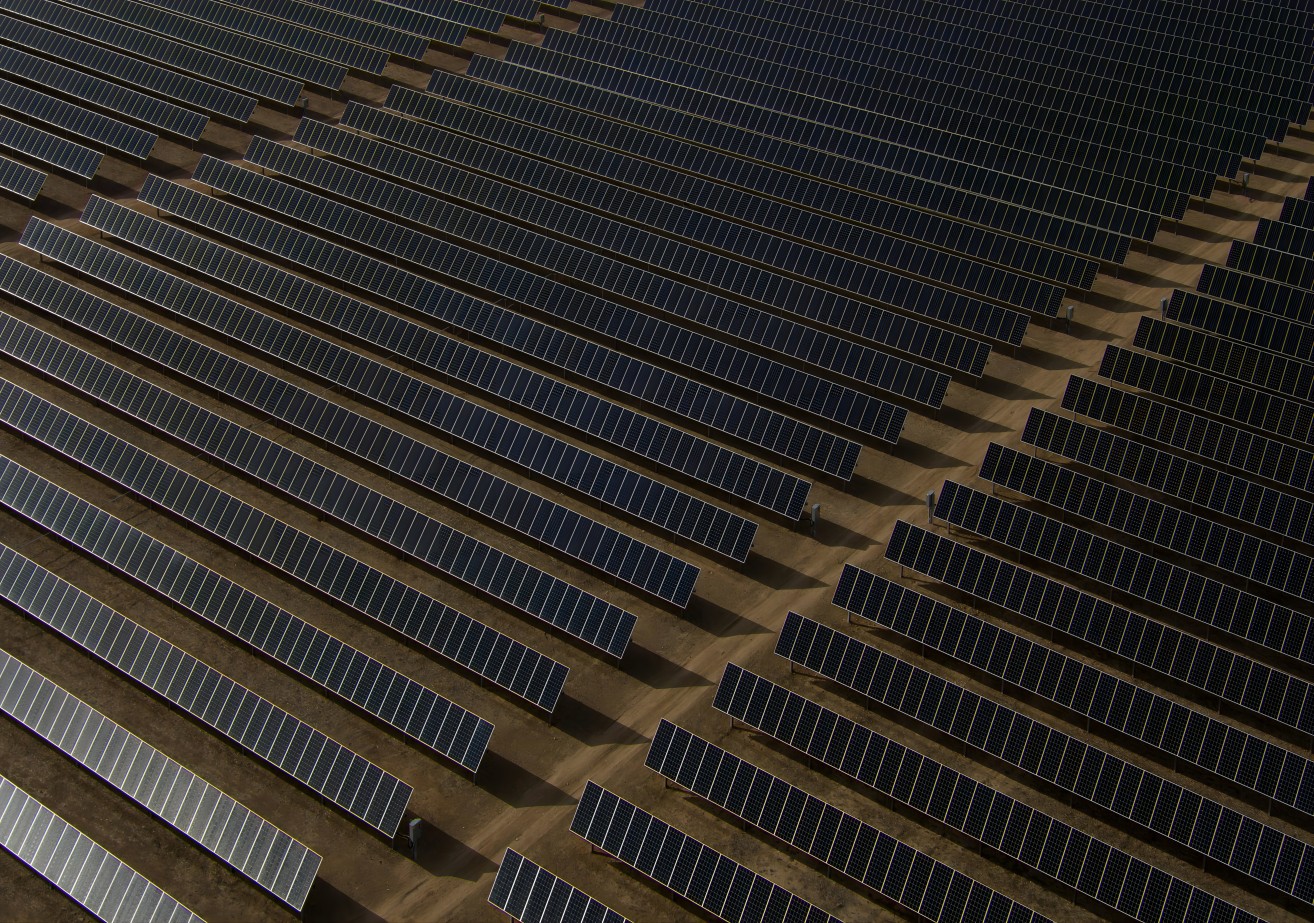
In solar photovoltaic (PV) systems, solar trackers play a crucial role by adjusting the position of solar panels to follow the sun’s path, maximizing light absorption efficiency. However, solar trackers in outdoor environments must contend with various weather and environmental challenges such as strong winds and earthquakes. These external factors can negatively impact the structure and performance of trackers. Therefore, dampers serve as essential components, providing critical protection and stability. Functions of Dampers Shock Absorption: In the event of strong winds or sudden occurrences like earthquakes, dampers can absorb external shocks, preventing damage to the tracker structure. This not only protects the solar panels and trackers but also avoids a decrease in power generation efficiency caused by vibration or displacement. Vibration Reduction: Dampers effectively reduce the vibrations generated during the normal operation of trackers, extending the system’s lifespan. This is crucial for ensuring the long-term stability and reliability of solar systems. Enhanced System Stability: With the help of dampers, solar trackers can maintain the optimal position more steadily, improving tracking accuracy and maximizing the power generation efficiency of the PV panels. Potential Technical Failures of Solar Tracker Dampers Solar tracker dampers may encounter some technical failures during actual application, which...