Email:info@goodfuturesolar.com
Tel: +86-371-63966669
Email:info@goodfuturesolar.com
Tel: +86-371-63966669
The hidden component that protects your power plant
When people think about solar trackers, they usually focus on motors, structures, or controllers.
But in reality, one of the smallest components—the cable—can determine whether a tracker survives harsh weather and continues working for decades.
In high winds or extreme environments, a single weak connection can stop the tracker from reaching its safe stow position. That’s why cable quality is not only a technical choice, but a long-term investment in system reliability and safety.
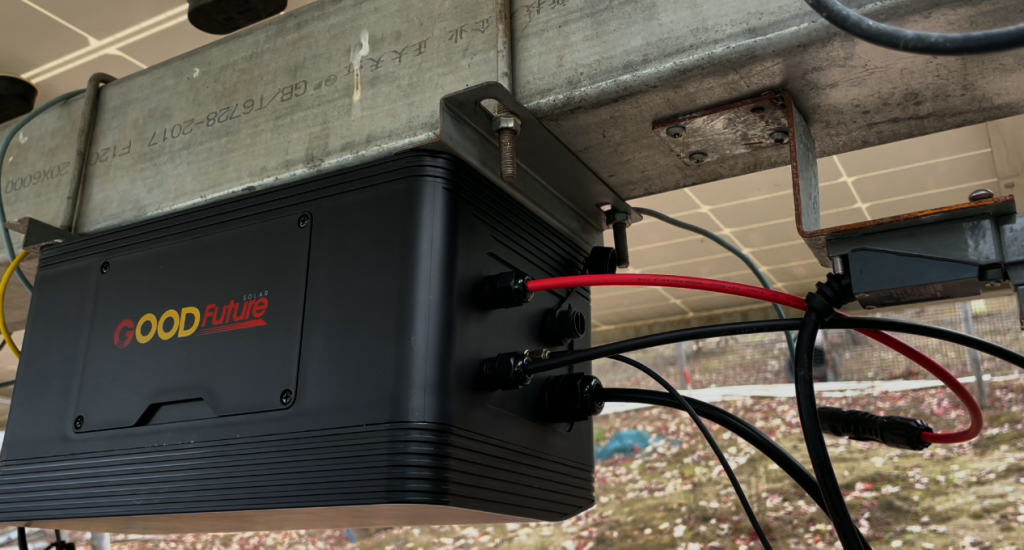
Solar tracker systems operate under sun, rain, dust, and temperature fluctuations every day. This makes cable durability a top priority.
High-quality cabling for PV trackers should offer:
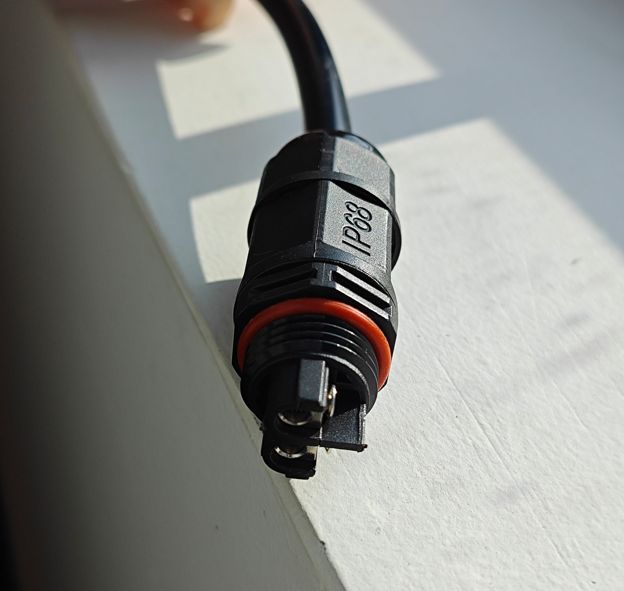
IP68 airtight and watertight sealing
UV-resistant, outdoor-rated insulation
Excellent flexibility for constant movement
Long-term oxidation and corrosion protection
These features ensure stable transmission of power and signals, even in heavy rain, snow, or high humidity.
Reliable tracker controllers use components that meet global safety standards.
Ensures compliance with European health, safety, and electromagnetic compatibility (EMC) standards.
Guarantees cables and connectors are free from hazardous materials such as lead, mercury, and cadmium—protecting both the environment and on-site technicians.
These certifications allow your tracking system to be installed confidently in international markets with strict safety regulations.
Cable issues are one of the most common causes of tracker downtime. Small mistakes can lead to moisture ingress, signal loss, or controller malfunction.
Several best practices dramatically improve long-term reliability:
Trackers rotate daily, so the cable must remain flexible without cracking or hardening.
This reduces vibration fatigue and prevents accidental disconnection.
A single loose pin or contaminated solder point can interrupt safety signals.
This small design prevents water from sitting on the connector seal—avoiding moisture penetration, oxidation, and breakdown over the system’s lifetime.
These engineering details allow a tracker system to operate reliably for 20–25 years, matching the life cycle of the solar plant.
By choosing certified, well-designed cables and connectors, operators can reduce:
Unexpected O&M costs
Signal communication failures
Tracker misalignment during storms
Moisture-related controller damage
Long-term replacement or rewiring expenses
In utility-scale PV plants where uptime matters, reliable wiring is not optional—it is essential.
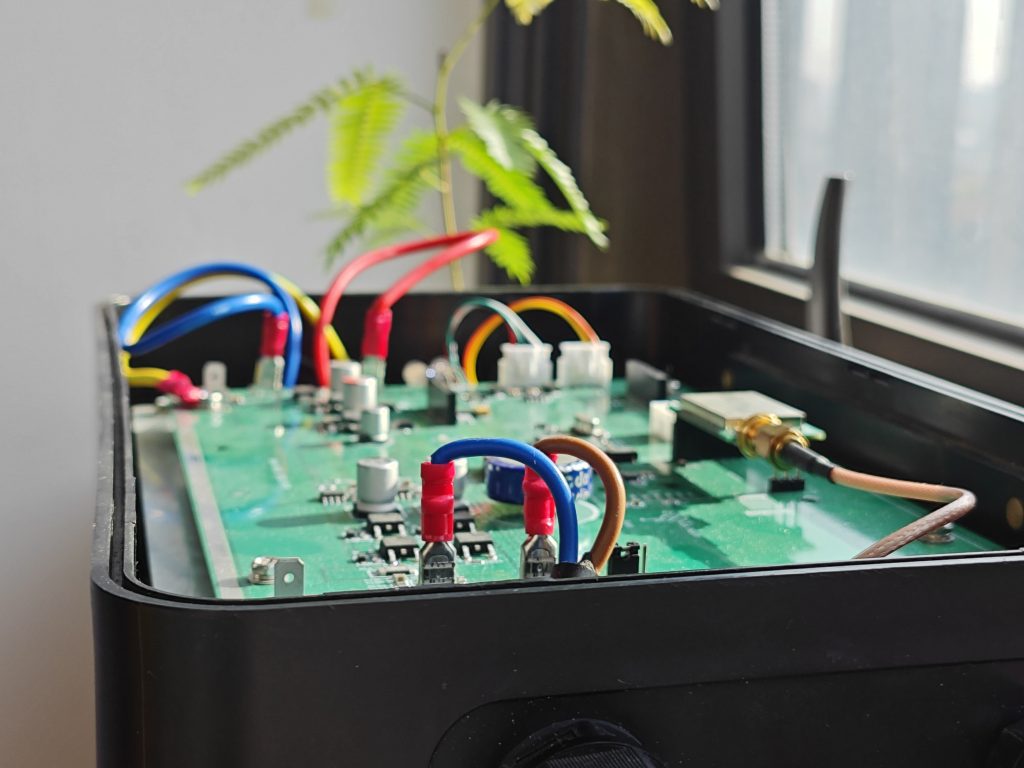
From IP68-sealed connectors to RoHS-certified materials and UV-resistant cable jackets, every detail contributes to a safer, more durable solar tracking system.
As manufacturers continue pushing for higher reliability, the quality of the wiring becomes one of the most important—and most overlooked—elements in solar tracker design.
If you’re looking for solar tracker controllers or wiring solutions that meet IP68, CE, and RoHS standards, we are here to help you build smarter, safer, and longer-lasting PV systems.